12 Questions UK homeowners, architects and roofers ask about natural slate
Whether through social media, email, or conversations with homeowners, architects, and roofing professionals, some questions come up time and time again.
In this guide, we’ve gathered some of the most common questions people ask about natural slate, its performance, and why it continues to be one of the most trusted roofing materials across the UK.
And if you still have questions, our team is always here to help.
Why is natural slate still the preferred roofing material in the UK?
For centuries, natural slate has protected homes and buildings across the UK, earning a reputation for reliability in some of Europe’s most demanding weather conditions.
Its exceptional durability, low water absorption, and timeless appearance make it particularly well suited to the British climate. From traditional cottages to contemporary homes, natural slate remains the roofing material against which all others are measured.
What is the difference between natural slate and artificial slate?
Strictly speaking, there is only one slate: natural slate. Artificial slate is simply an imitation designed to replicate its appearance.
While manufactured alternatives may look similar at first glance, they cannot match the performance, longevity, or character of genuine natural slate.
How long should a natural slate roof last?
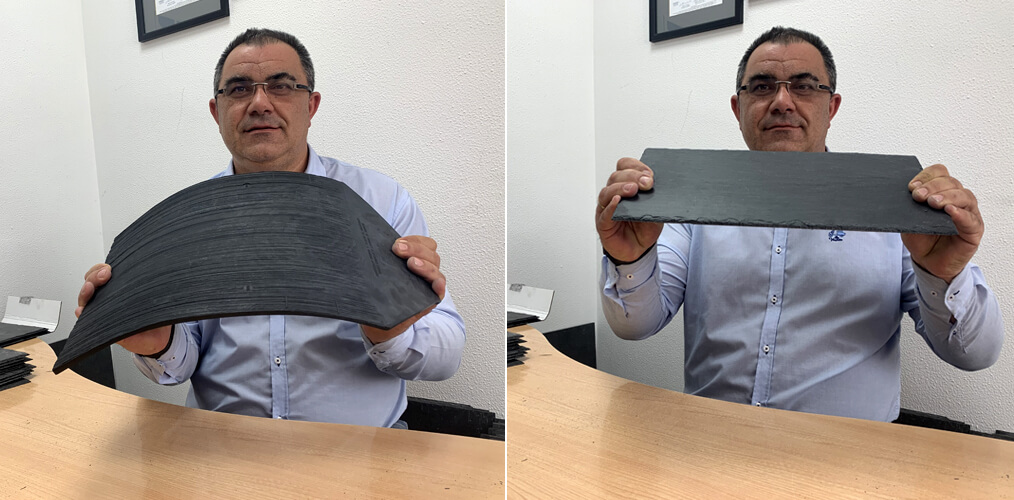
Natural slate has the longest lifespan of any roofing material. We are the only slate producer in the world to offer a 100-year warranty on all its natural slates. That’s how confident we are in their long-term performance and durability.
Is natural slate worth the investment?
Absolutely. While the initial investment may be higher, natural slate is the most cost-effective roofing solution over the lifetime of a building. Its exceptional durability means fewer repairs, fewer replacements, and lower maintenance costs for decades to come.
Does natural slate perform well in the British climate?
If natural slate had been designed specifically for the British climate, it would be hard to improve on it.
Its exceptionally low water absorption, natural resistance, and outstanding durability allow it to withstand rain, frost, wind, and temperature changes year after year. That’s why natural slate has protected British homes for centuries.
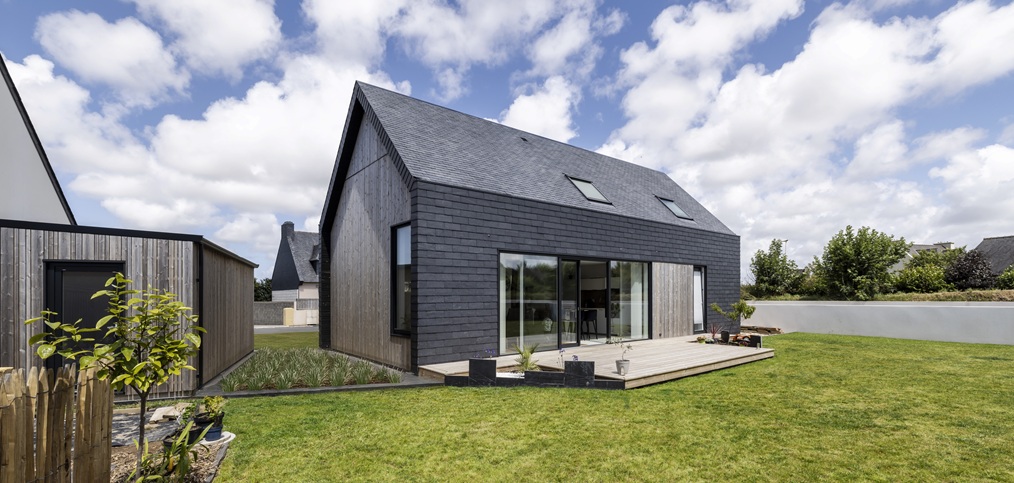
What is the difference between natural roofing slate and Brazilian slate?
NFRC Guidance Note GN66 and the Technical Report on Brazilian Metalutite both recognise that natural roofing slate and the material often marketed as Brazilian slate are geologically different materials.
These publications conclude that the differences in geological composition can result in lower durability and reduced long-term performance, which is why natural roofing slate remains the preferred choice for many architects, contractors, and specifiers across the UK.
Why do architects compare Welsh slate and Spanish slate?
Welsh slate has a long and distinguished history and remains one of the most iconic roofing materials in the UK.
However, as Welsh slate has become increasingly difficult to source, many architects and roofing professionals have turned to high-quality Spanish slate as an alternative. In fact, CUPA 12 has been officially approved for use within Snowdonia National Park, demonstrating its suitability for some of the UK’s most sensitive and prestigious roofing projects.
Can natural slate be used on listed buildings and heritage properties?
Yes. Natural slate is one of the most commonly specified roofing materials for listed buildings and heritage properties throughout the UK.
Its authentic appearance, proven longevity, and historical use make it an ideal choice for conservation and restoration projects.
What should architects look for when specifying roofing slate?
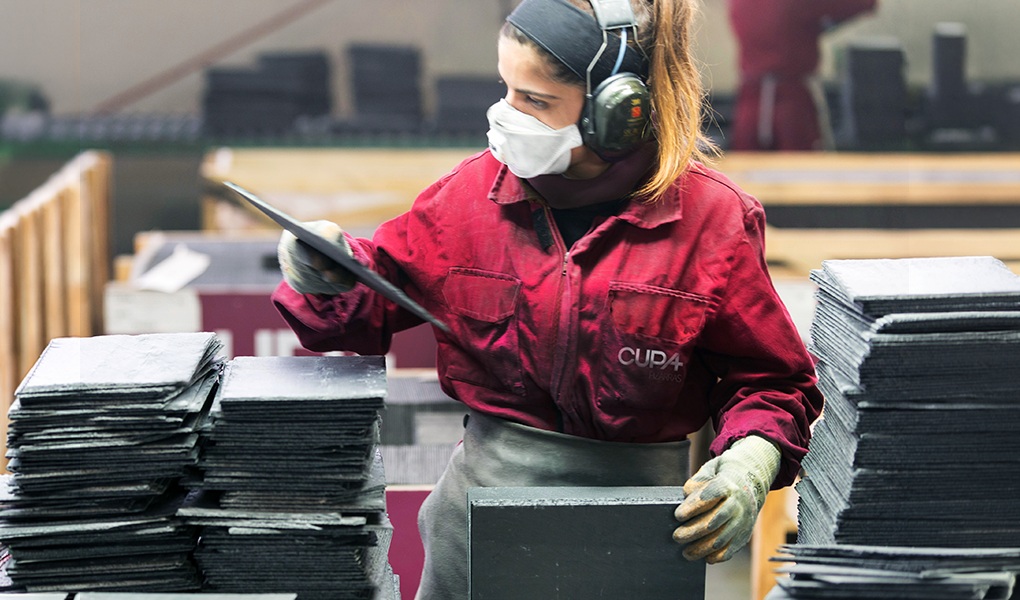
Beyond the quality of the slate itself, architects should look for reliable technical support, specification guidance, and long-term availability. We work closely with architects throughout every stage of the project, offering technical advice, training, and dedicated support before, during, and after installation.
Why is CUPA PIZARRAS one of the most trusted names in natural slate?
More than 130 years of experience, 24 operating quarries, and one out of every two natural slates installed worldwide carrying the CUPA PIZARRAS name.
The numbers speak for themselves.
Is natural slate the most sustainable roofing material?
Yes. When life cycle is taken into account, natural slate is widely regarded as the most sustainable roofing material available.
It requires minimal processing, contains no chemical additives, and can last for more than a century, dramatically reducing the environmental impact associated with repair, replacement, and waste generation over time.
Can a slate roof increase property value?
In many cases, yes. A natural slate roof is widely recognised as a premium feature that enhances both the appearance and perceived quality of a property.
 Still have a question? Our team is always happy to help. Get in touch and we’ll be delighted to advise you on the best natural slate solution for your project.